
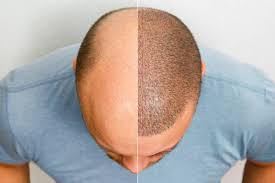

Hair Growth After Stress: How to Recover
Experiencing significant stress can have a noticeable impact on your hair. It can lead to hair shedding, thinning, or even hair loss, as stress disrupts the normal hair growth cycle. However, the good news is that with the right approach, hair growth can be restored. Here’s how to promote recovery and encourage healthy hair growth after stress. READ MORE
 How Stress Affects Hair Growth
Stress can trigger several types of hair loss, including telogen effluvium, a condition where more hair follicles enter the resting phase of the hair growth cycle, leading to excessive shedding. Prolonged or chronic stress can also affect hormone levels, contributing to hair thinning or shedding. Additionally, stress can impair circulation, which is vital for nourishing hair follicles.
Steps to Recover Hair Growth After Stress
1. Practice Stress Management
The most important step in promoting hair growth after stress is to manage and reduce stress levels. Reducing stress helps restore hormonal balance and prevents further hair shedding. Consider practicing the following:
- Meditation and mindfulness: Helps calm the mind and reduce stress.
- Exercise: Physical activity reduces stress and promotes blood flow to the scalp.
- Adequate sleep: Getting enough rest is crucial for recovery and healing.
- Deep breathing exercises: Help lower cortisol (stress hormone) levels.
2. Maintain a Healthy Diet
Eating a balanced, nutrient-rich diet supports overall hair health. A diet high in vitamins and minerals promotes stronger, healthier hair. Key nutrients for hair growth include:
- Biotin: Helps improve hair strength and thickness.
- Vitamin D: Supports healthy hair follicles.
- Zinc: Essential for hair tissue growth and repair.
- Iron: A lack of iron can contribute to hair loss, especially in women.
- Protein: Hair is made of protein, so a protein-rich diet is essential for growth.
3. Use Gentle Hair Care Practices
Stress can make your hair more fragile and prone to damage. Protect your hair by:
- Avoiding tight hairstyles: Styles like tight ponytails or braids can cause traction alopecia, exacerbating hair loss.
- Using a gentle shampoo and conditioner: Look for products that are free from harsh chemicals that may cause dryness or irritation.
- Avoiding excessive heat styling: Heat tools can weaken hair, so give your hair a break from blow dryers and straighteners.
4. Consider Hair Growth Supplements
Certain supplements can support hair health after stress. Look for products containing:
- Biotin
- Vitamin D
- Zinc
- Omega-3 fatty acids (for overall scalp health)
Always consult with a healthcare provider before starting any supplements to ensure they’re right for your needs.
5. Scalp Care
Taking care of your scalp is essential for healthy hair growth. Scalp massages stimulate blood flow, which nourishes hair follicles and promotes growth. Additionally, essential oils like rosemary oil or peppermint oil have been shown to improve circulation and may encourage hair growth.
 6. Be Patient
Hair growth takes time, especially after stress-induced hair loss. It typically takes 3 to 6 months for visible regrowth to occur. During this time, consistency in your hair care routine is key. Avoid expectations of quick fixes, as regrowing hair naturally can be a slow process.
7. Consult a Dermatologist
If hair loss continues or worsens despite your efforts, it may be helpful to consult with a dermatologist. They can rule out other potential causes of hair loss and provide treatments like minoxidil or laser therapy, which can stimulate hair regrowth.
Conclusion
Recovering from stress-related hair loss is possible, but it requires time, patience, and a multi-faceted approach. Managing stress, maintaining a balanced diet, and taking proper care of your hair and scalp are essential steps to support hair regrowth. If the hair loss continues or if you are concerned, seeking professional guidance can provide additional options for recovery. READ MORE