
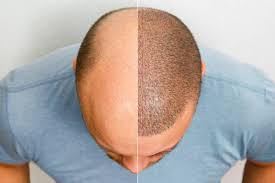

Men’s Hair Growth Myths Busted
Hair loss is a common concern for many men, but there are plenty of myths surrounding hair growth that can make it harder to navigate the options available. Let’s bust some of the most widespread misconceptions and uncover the truths about hair growth.
 1. Myth: Shaving Your Head Makes Hair Grow Back Thicker
This is one of the most popular myths about hair growth. While shaving your hair may give the appearance of thicker growth initially, it doesn’t actually change the texture or density of your hair. Hair thickness is determined by your genetics, and shaving has no effect on the growth rate or hair follicle size.
- Truth: Shaving doesn’t alter hair growth. What matters is proper care, diet, and overall health to support healthy hair.
2. Myth: Washing Your Hair Every Day Makes It Grow Faster
Another common myth is that washing your hair daily will promote faster hair growth. While keeping your scalp clean is important, washing hair too frequently can strip it of its natural oils, causing dryness and potential damage.
- Truth: Washing hair 2-3 times a week is usually sufficient. Focus on using gentle shampoos and conditioners that are suitable for your hair type.
3. Myth: Wearing Hats Causes Hair Loss
Many believe that wearing hats, especially tight ones, can lead to hair loss by restricting blood flow to the scalp. However, there is no scientific evidence supporting this claim.
- Truth: While wearing tight hats for prolonged periods could potentially cause traction alopecia (a type of hair loss caused by tension on the hair), it’s not a major contributor to hair thinning in general. Comfort and fit are key.
4. Myth: Hair Loss Only Happens with Age
While age is a contributing factor to hair loss, it’s not the only one. Men in their 20s can start experiencing hair loss due to genetics, hormonal imbalances, or stress, which can trigger conditions like male pattern baldness (androgenetic alopecia).
- Truth: Hair loss can begin at any age, especially if you have a family history of baldness. Genetics and health conditions play a larger role in hair thinning.
5. Myth: Hair Loss Is Only Caused by Genetics
Though genetics is the most significant factor in hair loss, environmental factors, diet, stress, and hormone imbalances can also play a crucial role in affecting hair health and growth.
- Truth: Genetics play a major role, but poor diet, stress, and hormone changes like testosterone imbalances can also lead to thinning or loss of hair.
6. Myth: Hair Growth Supplements Always Work
There are countless supplements on the market claiming to promote hair growth, but not all of them are effective. While certain vitamins and minerals like biotin, vitamin D, and zinc can support healthy hair, they won’t necessarily stop hair loss or regenerate lost hair.
- Truth: Supplements can help improve hair health, but they are not a magic solution. It’s important to focus on overall health, and seek medical advice for more severe cases of hair loss.
7. Myth: Stress Doesn’t Affect Hair Growth
Many believe that stress doesn’t contribute to hair loss, but in reality, stress can trigger hair thinning and conditions like telogen effluvium, where hair falls out due to stress or trauma.
- Truth: Chronic stress can disrupt the hair growth cycle and cause significant shedding. Finding ways to manage stress is crucial for maintaining healthy hair.
8. Myth: Massaging the Scalp Can Regrow Hair
While scalp massages can promote blood circulation and improve scalp health, they won’t directly stimulate new hair growth, especially if the hair loss is caused by genetics.
- Truth: Scalp massages are helpful for increasing circulation, but they are not a standalone solution for regrowing hair. Combine them with other treatments for better results.
 changes that can help improve hair growth.
- Truth: Hair restoration solutions come in many forms, from over-the-counter treatments to dietary adjustments and professional treatments like PRP (platelet-rich plasma) therapy.
Conclusion
Understanding the facts behind hair growth myths can help you make informed decisions about your hair care routine. By addressing the real causes of hair loss and debunking the myths, you can focus on practical solutions that truly benefit your hair health. READ MORE