
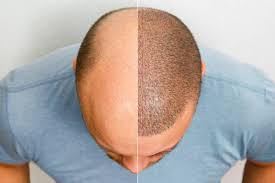

Can stress cause hair loss in men?
Yes, stress can cause hair loss in men. Stress can trigger several conditions that lead to hair shedding or thinning. The most common types of stress-related hair loss include: READ MORE
 1. Telogen Effluvium
This is the most common form of stress-induced hair loss. Stress can push a significant number of hair follicles into the shedding (telogen) phase of the hair cycle prematurely. This can result in noticeable hair thinning or shedding, typically two to three months after a stressful event. While the condition is temporary, hair usually grows back once the stress is managed.
2. Alopecia Areata
Alopecia areata is an autoimmune condition where the body attacks its own hair follicles, leading to hair loss. Stress is thought to trigger or worsen this condition, causing sudden and patchy hair loss. In some cases, hair may grow back, but this can take time, and the condition can recur.
 3. Trichotillomania
This is a psychological disorder that causes individuals to pull out their own hair in response to stress, anxiety, or emotional tension. It leads to noticeable hair thinning or bald patches on the scalp, eyebrows, and other areas.
How Stress Affects Hair Growth
When under stress, the body releases hormones like cortisol, which can disrupt the natural hair growth cycle. This results in hair follicles going into the resting phase (telogen) earlier than usual, leading to increased shedding.
Managing Stress to Prevent Hair Loss
- Exercise: Physical activity can reduce stress and improve overall health.
- Relaxation Techniques: Practices like meditation, yoga, or deep breathing can help lower cortisol levels and reduce stress.
- Healthy Diet: Eating a balanced diet full of essential vitamins and minerals can help maintain healthy hair.
Conclusion
While stress is a common trigger for hair loss in men, it is usually temporary. By addressing the underlying causes of stress and adopting healthy coping mechanisms, men can help minimize the risk of stress-related hair loss and promote overall hair health. If hair loss persists, it’s advisable to consult a healthcare professional to explore other potential causes. READ MORE