
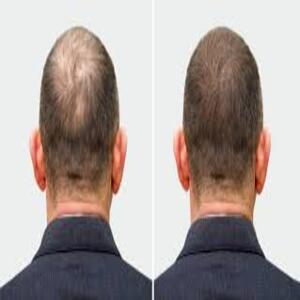

Causes of Hair Loss in Men
Hair loss is a common issue that affects many men at different stages of life. While it’s a natural part of aging, several factors can contribute to the thinning and shedding of hair. Understanding these causes can help you take the right steps to prevent or manage hair loss. Below are the main reasons why men experience hair loss: READ MORE
 1. Genetics (Male Pattern Baldness)
The most common cause of hair loss in men is genetic, known as male pattern baldness or androgenetic alopecia. This condition is inherited and usually starts in the late teens to early 20s. It occurs when the hair follicles are affected by androgens (male hormones), leading to the gradual thinning of hair, particularly on the crown and temples. Over time, this condition can lead to complete baldness in some men.
2. Hormonal Changes
Hormonal fluctuations can contribute to hair loss in men. Apart from male pattern baldness, other conditions such as thyroid imbalances or changes in testosterone levels can affect the hair growth cycle. Increased levels of dihydrotestosterone (DHT), a derivative of testosterone, can shrink hair follicles, resulting in thinner hair and hair loss.
3. Stress
Physical or emotional stress can trigger telogen effluvium, a temporary condition where a large number of hair follicles enter the shedding phase prematurely. This type of hair loss is often seen in people who have experienced significant stress, illness, surgery, or a traumatic event. Fortunately, hair typically regrows once the stressor is removed.
4. Nutritional Deficiencies
A poor diet can lead to nutritional deficiencies, which in turn can cause hair loss. Deficiencies in essential nutrients such as iron, zinc, vitamin D, and protein can negatively impact hair health and growth. For instance, a lack of iron can lead to anemia, which is linked to thinning hair. Eating a well-balanced diet rich in vitamins and minerals can help maintain healthy hair growth.
5. Medications
Certain medications can cause hair loss as a side effect. Common culprits include drugs used to treat conditions like high blood pressure, depression, arthritis, and cancer (chemotherapy). Some medications, such as blood thinners, steroids, and antidepressants, are known to cause hair shedding. Always consult with your doctor if you’re concerned about the side effects of any medication you’re taking.
6. Underlying Health Conditions
Several health conditions can also lead to hair loss in men. Some common conditions associated with hair shedding include:
- Autoimmune diseases (like alopecia areata, where the immune system attacks hair follicles)
- Diabetes
- Lupus
- Scalp infections (such as ringworm)
- Polycystic ovary syndrome (PCOS) in men can also cause hormonal imbalances leading to hair loss.
Managing the underlying health issue is key to preventing further hair loss in such cases.
7. Poor Hair Care Practices
Excessive heat styling, frequent use of harsh hair products, or tight hairstyles like ponytails and braids can cause traumatic hair loss. This is known as traction alopecia and results from constant tension on the hair follicles. Over-washing or using products that irritate the scalp can also weaken hair and cause shedding.
8. Age
As men age, the rate of hair growth slows down, and existing hair becomes thinner. It’s a natural part of the aging process. Hair follicles may also shrink, producing shorter, finer hair strands, leading to noticeable thinning. Most men experience some degree of hair loss as they age, with many showing signs of thinning by the time they reach their 50s.
 9. Environmental Factors
Exposure to environmental pollutants, chemicals, or toxins can negatively affect the hair growth cycle. Pollution, chemicals in swimming pools, and exposure to harmful substances can damage hair follicles and lead to hair loss. In addition, UV radiation from the sun can weaken hair strands, making them more prone to damage.
10. Smoking
Smoking has been linked to poor circulation and reduced blood flow to the scalp, which can harm hair follicles and stunt hair growth. Studies suggest that smoking may also contribute to hair loss by damaging the hair follicles and increasing the production of DHT, the hormone responsible for male pattern baldness.
Conclusion
Hair loss in men can stem from a variety of factors, including genetics, stress, poor nutrition, underlying health conditions, and medications. By identifying the root cause of your hair loss, you can take targeted steps to address it, whether through lifestyle changes, hair treatments, or medical intervention. If you’re concerned about your hair loss, it’s always a good idea to consult with a healthcare professional or dermatologist for proper diagnosis and treatment options. READ MORE