
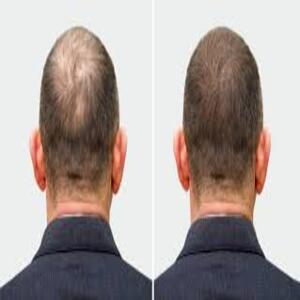

Effective Hair Growth Treatments for Men
Hair loss is a common concern for many men, affecting both their appearance and confidence. While genetics plays a significant role in hair thinning or balding, several treatments can help stimulate hair growth and improve the overall health of hair. Whether you’re dealing with male pattern baldness, thinning hair, or early-stage hair loss, there are various treatment options available. In this article, we’ll explore some of the most effective hair growth treatments for men. READ MORE
 1. Minoxidil (Rogaine)
Minoxidil is one of the most popular and widely used over-the-counter treatments for hair loss. Available in both topical liquid and foam forms, Minoxidil is applied directly to the scalp. It helps to widen blood vessels in the scalp, which improves the flow of blood and nutrients to hair follicles, stimulating hair growth.
How Minoxidil Works:
- Stimulates hair follicles to promote hair regrowth.
- Improves blood circulation to the scalp.
- Helps to prolong the hair growth phase.
Effectiveness:
- Studies show that Minoxidil is effective for promoting hair growth in individuals with male pattern baldness, though results may vary. Consistent use for several months is often required for visible results.
2. Finasteride (Propecia)
Finasteride is an oral medication that works by blocking the hormone dihydrotestosterone (DHT), which is responsible for shrinking hair follicles and causing hair loss. By inhibiting DHT, Finasteride helps slow down hair loss and can even promote regrowth in some men.
How Finasteride Works:
- Blocks the conversion of testosterone into DHT, reducing hair follicle shrinkage.
- Prevents further hair loss by addressing the root cause of male pattern baldness.
Effectiveness:
- Finasteride has been clinically proven to slow hair loss and promote regrowth. However, it requires consistent use, and results may take several months to become noticeable.
3. Platelet-Rich Plasma (PRP) Therapy
PRP therapy is an advanced treatment option that involves drawing a small amount of your blood, processing it to concentrate platelets, and then injecting the platelet-rich plasma into areas of the scalp with thinning hair. The growth factors in the plasma help stimulate hair follicles and promote new hair growth.
How PRP Works:
- Platelets in the plasma contain growth factors that help stimulate hair follicle activity.
- Increases blood flow to the scalp, promoting healthier hair growth.
- May help reverse the miniaturization of hair follicles.
Effectiveness:
- PRP therapy has shown positive results in promoting hair regrowth and improving hair thickness. However, it typically requires multiple sessions over several months for optimal results.
4. Hair Transplant Surgery
For men with more advanced hair loss, hair transplant surgery can provide a permanent solution. This procedure involves relocating healthy hair follicles from one area of the scalp (usually the back or sides) to thinning or bald areas. The transplanted follicles will continue to grow hair in their new location.
How Hair Transplants Work:
- Healthy hair follicles are harvested and transplanted into areas with hair loss.
- The transplanted follicles are genetically resistant to DHT, ensuring long-term hair growth.
Effectiveness:
- Hair transplants offer a permanent solution to hair loss and provide natural-looking results. However, the procedure is costly and may require time for full recovery.
5. Laser Therapy
Low-level laser therapy (LLLT) uses red light to stimulate hair follicles and promote hair growth. This non-invasive treatment works by increasing cellular activity in the scalp, which enhances blood circulation and encourages hair follicle regeneration.
How Laser Therapy Works:
- Uses red light wavelengths to stimulate hair follicles.
- Increases energy production in cells and improves circulation to the scalp.
- Encourages the growth of thicker, stronger hair.
Effectiveness:
- Studies have shown that LLLT can be effective in improving hair density and thickness. It is most beneficial for men with mild to moderate hair loss.
6. Hair Growth Shampoos and Topical Treatments
In addition to oral medications and treatments, several shampoos and topical products are formulated to support hair growth. These products often contain ingredients like biotin, caffeine, ketoconazole, and saw palmetto, which help nourish hair follicles and stimulate growth.
How Hair Growth Shampoos Work:
- Shampoos with biotin and keratin strengthen hair strands and promote growth.
- Caffeine-infused shampoos may increase blood flow to the scalp and encourage follicle stimulation.
- Ketoconazole helps maintain scalp health and prevent hair thinning caused by scalp conditions.
Effectiveness:
- Hair growth shampoos and topical treatments can be effective when used as part of a broader hair restoration plan. They are often best used in combination with other treatments like Minoxidil or Finasteride.
7. Natural Remedies
For men looking for natural treatments, several home remedies may help promote healthier hair growth. Ingredients like rosemary oil, peppermint oil, and aloe vera have been shown to have beneficial effects on the scalp and hair follicles. Essential oils, such as castor oil, are also known for their ability to nourish and strengthen hair.
How Natural Remedies Work:
- Rosemary oil and peppermint oil improve circulation to the scalp, promoting healthier hair growth.
- Aloe vera helps soothe the scalp and improve its overall health.
- Castor oil nourishes hair follicles, encouraging thicker hair growth.
Effectiveness:
- Natural remedies can support hair growth and improve the health of existing hair, although they may not be as effective as pharmaceutical treatments for more significant hair loss.
 8. Lifestyle Changes
While treatments and medications are essential, making lifestyle changes can significantly impact hair growth. A healthy diet, regular exercise, reducing stress, and proper hair care practices all contribute to better hair health.
Lifestyle Tips for Hair Growth:
- Maintain a balanced diet rich in vitamins and minerals that support hair health.
- Avoid smoking, which can restrict blood flow to the scalp and damage hair follicles.
- Manage stress levels through relaxation techniques, as stress can contribute to hair loss.
Effectiveness:
- A healthy lifestyle can prevent further hair thinning and support the effectiveness of other hair growth treatments. However, it may not be sufficient to reverse significant hair loss on its own.
Conclusion
There are various effective treatments available to men seeking to address hair loss or thinning. From over-the-counter solutions like Minoxidil and Finasteride to advanced treatments like PRP therapy and hair transplants, the right treatment depends on the severity of hair loss and individual preferences. Consulting a healthcare professional or dermatologist is essential to determine the best course of action for your specific situation. READ MORE