
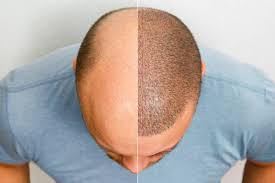

Managing Male Pattern Baldness: Effective Solutions and Tips
Male pattern baldness, also known as androgenetic alopecia, is a hereditary condition that affects many men, leading to gradual hair thinning and eventual hair loss. While it is a natural part of aging, it can still impact self-esteem and confidence. Fortunately, there are various strategies and treatments to manage male pattern baldness and slow its progression. Below are some of the most effective methods for managing this condition. READ MORE
 1. Understanding Male Pattern Baldness
Male pattern baldness is caused by a combination of genetics and hormonal changes. The primary culprit is dihydrotestosterone (DHT), a derivative of testosterone that affects hair follicles, causing them to shrink over time. This process results in thinner hair and eventually bald spots, commonly starting at the temples and crown.
2. Medications for Male Pattern Baldness
Several medications are available to help manage male pattern baldness. These treatments can slow down hair loss, promote regrowth, and improve hair density.
Minoxidil (Rogaine)
Minoxidil is an over-the-counter topical medication that is applied directly to the scalp. It works by increasing blood flow to the hair follicles and stimulating hair growth. Minoxidil is available in both liquid and foam forms and is one of the most widely used treatments for hair thinning.
- How it works: Minoxidil helps to open potassium channels in hair follicles, promoting the growth of hair and increasing follicle size.
- Effectiveness: Results vary, but most men see noticeable improvement within a few months of consistent use.
Finasteride (Propecia)
Finasteride is a prescription oral medication that reduces DHT levels in the scalp, thus preventing hair follicles from shrinking. It can slow down hair loss and, in some cases, promote regrowth.
- How it works: Finasteride blocks the enzyme that converts testosterone to DHT, preventing hair loss associated with this hormone.
- Effectiveness: Studies show that finasteride can be highly effective in reducing hair loss and promoting regrowth, especially in men under 60.
Dutasteride (Avodart)
Similar to finasteride, dutasteride is another medication that blocks the formation of DHT. It is not FDA-approved specifically for hair loss treatment but is often prescribed off-label for male pattern baldness.
- How it works: Dutasteride inhibits both forms of the enzyme that produce DHT, making it more potent than finasteride.
- Effectiveness: It may offer faster and more substantial results than finasteride, though it may have a higher risk of side effects.
3. Hair Transplant Surgery
For those with advanced male pattern baldness, a hair transplant may offer a permanent solution. There are two main types of hair transplant surgeries:
Follicular Unit Transplantation (FUT)
In FUT, a strip of hair-bearing skin is removed from the back of the scalp and divided into smaller grafts, which are then transplanted into the thinning or balding areas.
- Effectiveness: FUT is highly effective and can restore a natural hairline. However, it leaves a linear scar at the donor site.
Follicular Unit Extraction (FUE)
FUE involves extracting individual hair follicles from the donor area and implanting them into the thinning areas.
- Effectiveness: FUE offers a less invasive approach and results in minimal scarring. It’s a popular choice due to its natural results and shorter recovery time.
4. Low-Level Laser Therapy (LLLT)
Low-level laser therapy (LLLT) is a non-invasive treatment that uses red light to stimulate hair follicles and improve circulation in the scalp. LLLT devices, such as laser caps, combs, and helmets, can be used at home.
- How it works: The red light energy penetrates the scalp to increase cellular activity and encourage hair regrowth.
- Effectiveness: LLLT is considered effective in stimulating hair growth for those with early to moderate stages of hair loss.
5. Platelet-Rich Plasma (PRP) Therapy
Platelet-rich plasma (PRP) therapy involves drawing a small amount of your blood, processing it to concentrate the platelets, and injecting it into areas of the scalp with thinning hair.
- How it works: PRP contains growth factors that promote hair follicle activity and regeneration, encouraging hair growth.
- Effectiveness: Studies show PRP can improve hair density and thickness, though it typically requires multiple treatments over time.
6. Scalp Micropigmentation (SMP)
Scalp micropigmentation is a non-surgical treatment that involves tattooing tiny dots on the scalp to mimic the appearance of hair follicles. It provides the illusion of a fuller scalp and can be a good option for those with extensive hair loss.
- How it works: A trained technician uses a specialized needle to deposit pigment into the scalp, creating a shaved-head look or adding density to thinning areas.
- Effectiveness: SMP offers immediate results but does not promote actual hair growth.
7. Hair Growth Shampoos and Conditioners
While they don’t directly promote regrowth, some shampoos and conditioners are designed to strengthen existing hair and reduce hair thinning. Look for products containing biotin, caffeine, keratin, or saw palmetto.
- Effectiveness: Hair growth shampoos can improve the appearance of hair, making it look fuller and healthier. However, they are not as effective as medications like minoxidil or finasteride.
8. Lifestyle Changes for Healthy Hair
Maintaining a healthy lifestyle is crucial for managing male pattern baldness. Here are some tips to support overall hair health:
- Avoid Stress: Chronic stress can trigger hair loss, so practice relaxation techniques like yoga, meditation, or deep breathing exercises.
- Get Enough Sleep: Sleep is essential for cellular repair and overall health, including hair growth.
- Eat a Balanced Diet: A diet rich in vitamins and minerals, particularly those that support hair health (such as vitamins A, D, E, and zinc), can help maintain strong hair.
- Quit Smoking: Smoking impairs blood circulation and can contribute to hair loss.
 9. Natural Remedies
While not scientifically proven to be as effective as medical treatments, some men turn to natural remedies to manage hair loss. These include:
- Saw Palmetto: A natural supplement believed to block DHT production.
- Rosemary Oil: Known for improving circulation and stimulating hair growth.
- Pumpkin Seed Oil: Some studies suggest it may help inhibit DHT production.
Conclusion
Male pattern baldness is a common concern for many men, but with a range of treatments available, it’s possible to slow the progression of hair loss and even promote regrowth. Medications like minoxidil and finasteride, hair transplant surgery, laser therapy, and PRP therapy offer promising solutions. Additionally, making lifestyle changes and using certain hair products can support healthier hair growth. The best approach for managing male pattern baldness varies from person to person, so it’s important to consult with a healthcare professional to determine the right treatment plan for your needs. READ MORE