
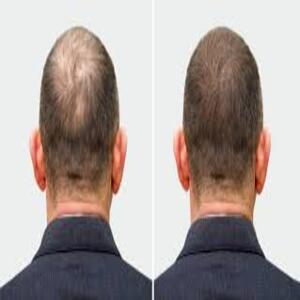

Preventing Hair Loss in Men: Effective Strategies
Hair loss can be a significant concern for many men, affecting their self-esteem and confidence. While some degree of hair thinning is a natural part of aging, there are several effective strategies and treatments that can help prevent and slow down hair loss. By addressing the underlying causes and taking proactive steps, men can maintain a full head of hair for longer. READ MORE
 1. Maintain a Healthy Diet
A balanced diet is crucial for overall health, and it also plays a key role in promoting healthy hair. Lack of essential nutrients can contribute to hair loss. Eating a diet rich in vitamins and minerals helps support hair growth.
Key nutrients for hair health:
- Biotin (Vitamin B7): Promotes keratin production, which strengthens hair strands.
- Vitamin D: Supports hair follicle function and reduces thinning.
- Zinc: Essential for cell growth and repair, aiding in healthy hair follicles.
- Iron: Helps prevent hair loss related to anemia.
- Omega-3 fatty acids: Nourish hair follicles and reduce inflammation.
A nutrient-rich diet can help ensure that hair receives the nourishment it needs to grow strong and healthy.
2. Avoid Excessive Heat and Chemical Treatments
Frequent exposure to high heat and harsh chemicals can weaken hair and lead to premature hair loss. Styling tools such as hairdryers, straighteners, and curling irons can cause hair to become dry and brittle. Similarly, excessive use of chemical treatments like dyes and perms can damage hair follicles over time.
Tips:
- Limit the use of heat styling tools.
- Use hair products that are gentle and free from harsh chemicals.
- Allow your hair to air dry whenever possible to reduce heat damage.
By minimizing the impact of heat and chemicals, you can prevent further damage and help protect the health of your hair.
3. Scalp Care and Massage
A healthy scalp is crucial for promoting hair growth. Regular scalp massages can improve circulation to the hair follicles, providing them with the oxygen and nutrients they need to grow strong hair. Massaging your scalp also helps reduce stress, which can contribute to hair loss.
How to massage your scalp:
- Gently massage your scalp with your fingertips in circular motions for about 5 to 10 minutes each day.
- You can use oils such as coconut oil, argan oil, or castor oil to nourish the scalp.
Regular scalp massages can stimulate hair follicles and reduce tension, which may slow down hair loss.
4. Reduce Stress
Chronic stress is one of the leading causes of hair loss in men. Stress can lead to a condition called telogen effluvium, where hair prematurely enters the resting phase and falls out. Managing stress is essential for maintaining healthy hair growth.
Stress-reducing activities:
- Exercise: Physical activity helps reduce stress and improve overall health.
- Meditation and deep breathing: Relaxation techniques can help calm the mind and reduce stress hormones.
- Adequate sleep: Sleep is essential for managing stress and maintaining overall well-being.
By incorporating stress-reducing habits into your routine, you can help minimize hair loss and promote healthier hair growth.
5. Hair Growth Supplements
Certain supplements may help strengthen hair and prevent further thinning. Common supplements for hair health include:
- Biotin: A B vitamin that supports keratin production.
- Saw Palmetto: Known to block the effects of DHT, a hormone linked to hair loss.
- Vitamin D: Helps promote the growth of hair follicles.
- Zinc: Supports hair follicle health and regeneration.
Consulting a healthcare professional before starting any supplement is a good idea to ensure the right choices for your individual needs.
6. Avoid Tight Hairstyles
Tight hairstyles, such as ponytails, braids, or man buns, can put excessive tension on hair follicles, leading to a condition called traction alopecia. This type of hair loss occurs when hair is pulled too tightly, causing stress on the roots and eventual breakage or thinning.
Tips to avoid damage:
- Opt for loose hairstyles that don’t pull on the hair.
- Use soft hair ties that don’t cause friction.
- Avoid wearing tight hairstyles for extended periods.
Taking these simple precautions can prevent further damage and preserve the integrity of your hair.
7. Use Hair Growth Products
There are various topical treatments available that can help stimulate hair growth. One of the most common and effective treatments for male pattern baldness is minoxidil. Minoxidil is an over-the-counter product that is applied directly to the scalp to promote hair growth and slow down hair loss.
Other treatments include:
- Finasteride: A prescription medication that reduces DHT levels, which can slow hair loss.
- PRP (Platelet-Rich Plasma) Therapy: Involves drawing your blood, processing it to concentrate the platelets, and injecting it into the scalp to stimulate hair growth.
Consult with a healthcare provider before starting any hair growth treatment to determine the best option for your needs.
8. Avoid Smoking and Limit Alcohol Consumption
Both smoking and excessive alcohol consumption can negatively impact hair health. Smoking reduces blood flow to the scalp, which can lead to hair loss. Alcohol, when consumed in excess, can lead to dehydration and nutrient deficiencies that affect hair growth.
Healthier habits include:
- Quitting smoking to improve circulation and overall scalp health.
- Limiting alcohol intake to prevent dehydration and nutritional imbalances.
By reducing or eliminating these habits, you can help improve the overall health of your hair.
 9. Consult a Dermatologist
If you’re experiencing significant hair loss or thinning, it’s important to consult a dermatologist. A healthcare professional can help determine the underlying cause of your hair loss and recommend the appropriate treatments. Conditions such as alopecia areata, scalp infections, or other medical issues can contribute to hair loss and may require specific treatment.
A dermatologist can offer a personalized treatment plan to prevent further hair loss and help restore your hair.
Conclusion
While some hair loss is inevitable as men age, there are many steps you can take to prevent and reduce hair thinning. A healthy diet, proper scalp care, stress management, and hair growth supplements can all contribute to maintaining thick, strong hair. Additionally, avoiding damaging styling practices, smoking, and excessive alcohol can help improve hair health. If you’re concerned about your hair loss, seek advice from a healthcare professional to determine the best course of action. READ MORE