
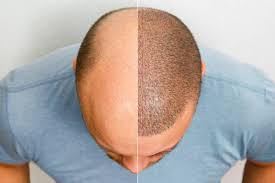

Top Causes of Male Hair Thinning
Hair thinning is a common issue faced by many men, particularly as they age. While it’s natural to lose some hair over time, significant thinning can affect a man’s appearance and self-esteem. Understanding the causes of hair thinning can help in finding the right solutions to address it. Here are the top causes of male hair thinning: READ MORE
 1. Genetics (Male Pattern Baldness)
The most common cause of male hair thinning is androgenetic alopecia, also known as male pattern baldness. It is a hereditary condition passed down through family lines, typically characterized by receding hairlines and thinning at the crown. The condition is influenced by the presence of male hormones (androgens), which affect hair follicles, causing them to shrink and produce finer hair until they stop producing hair altogether.
Symptoms:
- Receding hairline
- Thinning crown area
- Gradual hair loss in specific areas
2. Hormonal Changes
Hormonal fluctuations play a significant role in hair thinning. Conditions such as testosterone imbalance or an overproduction of DHT (dihydrotestosterone), a derivative of testosterone, can contribute to hair loss. DHT binds to hair follicles, shrinking them and causing hair to fall out.
Hormonal causes include:
- Low testosterone levels: Can lead to thinning hair, especially on the scalp.
- High levels of DHT: A primary cause of male pattern baldness.
3. Aging
As men age, the hair growth cycle naturally slows down. Hair follicles shrink and produce thinner hair, while some follicles stop producing hair entirely. This leads to a gradual thinning of hair across the scalp. Hair also loses pigment over time, causing graying and a more sparse appearance.
Age-related factors:
- Reduced hair density
- Slower hair regrowth
- Thinning over the crown or hairline
4. Nutritional Deficiencies
A lack of key nutrients can negatively impact hair health, leading to thinning. Iron, zinc, biotin, and vitamins A, D, and E are essential for healthy hair growth. Deficiencies in these nutrients can cause hair to become weak, brittle, or fall out prematurely.
Common nutritional deficiencies that cause hair thinning:
- Iron deficiency: Can cause hair loss and anemia.
- Vitamin D deficiency: Known to affect the growth of new hair follicles.
- Biotin and zinc deficiencies: Lead to weakened hair strands.
5. Stress and Anxiety
High levels of stress, both physical and emotional, can lead to temporary hair loss. Stress triggers a condition known as telogen effluvium, which causes hair follicles to enter the resting phase, leading to increased shedding. Chronic stress can prolong this phase and result in noticeable thinning.
Types of stress-related hair loss:
- Emotional stress: Such as work or relationship issues.
- Physical stress: After illness or surgery.
6. Poor Scalp Health
A healthy scalp is vital for healthy hair growth. Dandruff, seborrheic dermatitis, or scalp infections can lead to inflammation and block hair follicles. When hair follicles are blocked, hair growth is restricted, leading to thinning or hair loss.
Scalp conditions contributing to thinning hair:
- Dandruff: Can cause dryness and itchiness, affecting hair growth.
- Scalp psoriasis: Leads to flaking and irritation.
- Fungal infections: Can damage hair follicles, leading to thinning.
7. Medications and Treatments
Certain medications can lead to hair thinning as a side effect. Drugs used for cancer treatments, depression, high blood pressure, and heart conditions can interfere with the hair growth cycle, causing hair to shed prematurely.
Common medications linked to hair thinning:
- Chemotherapy: Often results in complete hair loss.
- Antidepressants: Can cause temporary hair thinning.
- Blood thinners: May result in hair loss over time.
8. Excessive Styling and Hair Treatments
Frequent use of harsh hair treatments or styles that cause tension on the scalp can contribute to hair thinning. Traction alopecia occurs when hair is pulled too tightly, leading to hair loss at the hairline or temples. Overuse of chemical treatments, such as dyes, perms, and relaxers, can weaken hair and cause it to break or thin out.
Styling habits contributing to thinning:
- Tight hairstyles (e.g., ponytails, braids)
- Overuse of hot styling tools
- Chemical treatments (e.g., perms, dyes)
9. Underlying Medical Conditions
Several medical conditions can lead to hair thinning. Thyroid problems, autoimmune diseases, diabetes, and heart disease are all associated with hair loss. These conditions affect various aspects of health, including nutrient absorption, circulation, and hormone production, all of which play a role in hair health.
Medical conditions linked to hair thinning:
- Hypothyroidism or hyperthyroidism: Imbalances can cause hair thinning.
- Alopecia areata: An autoimmune disease that causes sudden hair loss.
- Diabetes: Poor blood circulation can affect hair follicles.
 10. Alcohol and Drug Use
Excessive alcohol consumption and drug use can contribute to hair thinning. Alcohol dehydrates the body, which can weaken hair and affect its growth cycle. Drugs like steroids or recreational substances can disrupt hormonal balance, leading to thinning hair.
Effects of alcohol and drugs on hair:
- Dehydration: Causes dry, brittle hair prone to breakage.
- Steroid use: Can accelerate hair thinning and cause hormonal imbalances.
Conclusion
Male hair thinning can be caused by a variety of factors, including genetics, hormonal changes, nutritional deficiencies, stress, and more. Understanding the root cause of your hair thinning is crucial in finding the most effective treatment or prevention methods. By addressing these underlying factors with lifestyle changes, dietary adjustments, and medical interventions, many men can reduce or prevent further hair thinning and promote healthier hair growth.